
Table of Contents
ToggleWhat is ADAS Calibration?
What is ADAS calibration? At Auto Glass with Class, we’re often asked this question by car owners seeking to understand how Advanced Driver Assistance Systems (ADAS) work after a windshield replacement. ADAS calibration makes sure that the sensors, cameras, and radar used in Advanced Driver Assistance Systems (ADAS) work properly, which helps features like blind spot detection, traffic sign recognition, blind spot monitoring, and adaptive cruise control
This comprehensive guide explains the ADAS calibration process, its importance, types, and what to expect when you schedule calibration at our ADAS calibration center. Proper calibration is critical to maintaining ADAS functionality and ensuring your safety system keeps you protected on the road.
What is ADAS?
Advanced Driver Assistance Systems (ADAS) are innovative safety features designed to prevent collisions and enhance driver safety. These include ADAS features such as blind-spot detection, lane-departure warnings, automatic emergency braking, traffic sign recognition, and parking assistance. These systems rely on ADAS sensors, such as forward radar sensors, rear radar sensors, angle sensors, and ADAS cameras, to monitor the vehicle’s surroundings. For instance, blind-spot monitoring uses radar sensors to detect vehicles in your blind spot, while traffic sign recognition uses cameras to identify speed limits and stop signs.
After a windshield replacement, sensor alignment can be disrupted, requiring proper ADAS calibration. Safety may be compromised if ADAS components malfunction or trigger false alarms due to improper calibration. For example, a misaligned angle sensor could impair blind-spot detection, while improper camera calibration could affect lane-keep assist. To learn more about ADAS technology, visit the National Highway Traffic Safety Administration (NHTSA).
Types of ADAS Calibration
ADAS calibration involves two main methods: static calibration and dynamic calibration, each using specialized equipment to ensure precise calibration of ADAS sensors and cameras. Both are performed to industry standards set by organizations like the Auto Glass Safety Council (AGSC).
Static ADAS Calibration
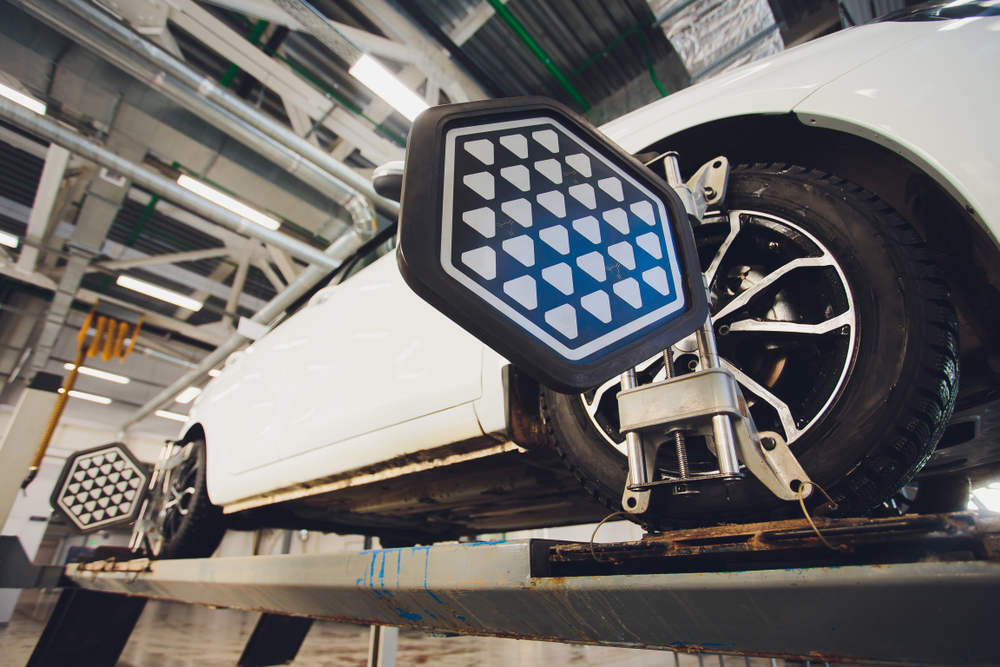
Static ADAS calibration takes place in a controlled environment at our calibration center, using calibration equipment like calibration targets and a scan tool. The vehicle remains stationary while technicians align radar sensors, ADAS cameras, and angle sensors to manufacturer specifications. This method is ideal for camera calibration and radar sensor alignment, ensuring systems like lane departure warnings function correctly. Static ADAS calibration requires a level surface and precise setup to avoid errors, making our ADAS calibration center the perfect setting for this process.
Dynamic ADAS Calibration
Dynamic ADAS calibration involves driving the vehicle under specific conditions, such as predetermined speeds or road types, to calibrate ADAS sensors. Using a scan tool, technicians monitor forward radar sensors and rear radar sensors in real-time, adjusting for optimal sensor alignment. This method is essential for systems like adaptive cruise control or traffic sign recognition, which rely on dynamic data. Our ADAS calibration service ensures both static ADAS calibration and dynamic ADAS calibration meet manufacturer requirements for proper calibration.

Why is ADAS Calibration Important?
Proper ADAS calibration is vital for maintaining ADAS functionality and vehicle safety. After a windshield replacement, ADAS cameras or radar sensors may become misaligned, affecting safety features. For example, a misaligned radar sensor could cause false alarms in blind spot detection, while an uncalibrated camera might fail to detect lane markings. Regular calibration ensures your safety system operates reliably, reducing risks on the road.
At Auto Glass with Class, our ADAS calibration center uses advanced calibration equipment to perform recalibration, ensuring all ADAS components meet industry standards. This process is especially critical for vehicles with complex ADAS calibration systems, such as those with forward radar sensors or rear radar sensors. For more on safety systems, explore the IIHS’s ADAS guide.
What to Expect During ADAS Calibration
The ADAS calibration process typically takes 30 minutes to 2 hours, depending on the vehicle and ADAS feature. Static calibration requires a controlled setup with calibration targets, while dynamic calibration involves a test drive to adjust radar sensors and ADAS cameras. Our technicians use specialized equipment and scan tools to ensure accurate calibration, verifying that angle sensors, forward radar sensors, and rear radar sensors function correctly.
Before calibration, we assess your vehicle’s safety systems to determine whether static ADAS calibration or dynamic ADAS calibration is needed. After recalibration, we confirm that all ADAS components work seamlessly, from blind spot monitoring to traffic sign recognition. To schedule calibration, contact our ADAS calibration center. For tips on maintaining your ADAS functionality, check Glass.com’s auto glass care guide.
Why Choose Auto Glass with Class?
At Auto Glass with Class, our ADAS calibration service prioritizes precision, safety, and customer satisfaction. Using advanced calibration equipment and scan tools, we deliver proper ADAS calibration for radar sensors, ADAS cameras, and other safety features. Whether it’s static ADAS calibration, dynamic ADAS calibration, or camera calibration, we adhere to industry standards to ensure your ADAS technology performs flawlessly. Don’t risk false alarms or reduced safety—contact us today to schedule calibration and keep your safety system in top condition!
Recent Comments